
How Mulch Helps Keep Soil Healthy and Secure
Mulch is more than just a decorative touch to your garden. It serves as a vital layer that protects the soil from various environmental challenges. As gardeners and landscapers know, maintaining healthy soil is crucial for plant growth. Without it, plants struggle to get the nutrients they need. This article explores how using mulch can improve soil retention, prevent erosion, and enhance overall garden health.
What Is Mulch?
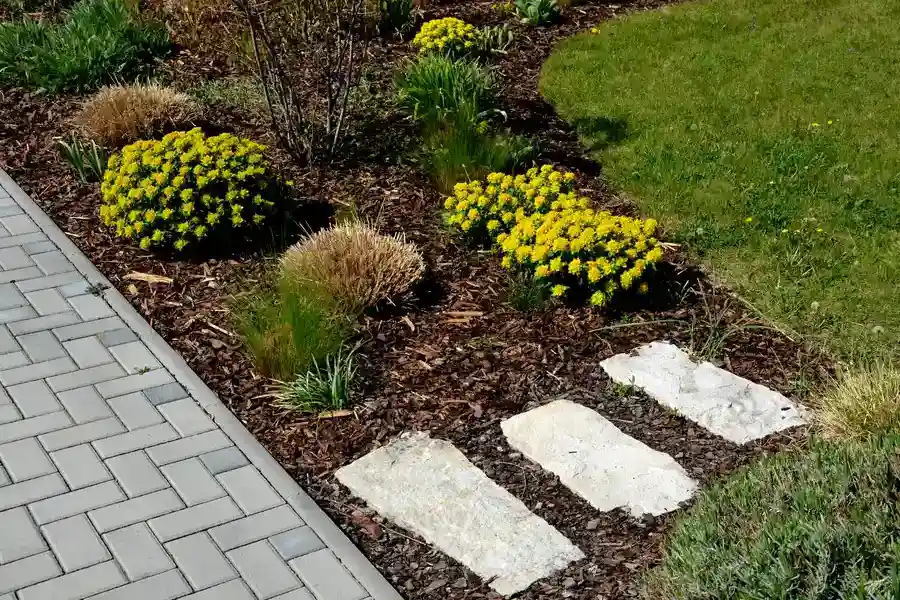
Mulch refers to any material spread over or laid upon the surface of the soil. Its primary purpose is to retain moisture, suppress weeds, and enhance garden aesthetics. Common materials include wood chips, straw, grass clippings, and even rubber pellets. However, organic options like bark or leaf mold not only serve their main functions but also decompose over time, enriching the soil with essential nutrients.
The Role of Moisture Retention
One of the key benefits of using mulch is its ability to help retain moisture in the soil. By covering the soil surface, mulch reduces evaporation rates significantly. This means less frequent watering for you and more consistent hydration for your plants. In addition to conserving water, this helps maintain cooler soil temperatures during hot spells.
Preventing Soil Erosion
Soil erosion is a common problem in gardens, especially on slopes or in areas exposed to heavy rainfall. Mulching helps combat this by creating a barrier between rain and bare soil. The impact of raindrops is softened, reducing runoff and soil displacement. This protective layer keeps your garden’s structure intact, preventing valuable topsoil from being washed away.
Weed Suppression Benefits
Weeds compete with plants for nutrients, light, and space. A thick layer of mulch acts as a natural weed suppressant by blocking sunlight from reaching seedling weeds beneath it. With fewer weeds, your plants have a better chance to thrive without competition, ensuring healthier growth.
Nutrient Enrichment Over Time
As organic mulch breaks down, it adds valuable nutrients back into the soil. Decomposing materials such as leaves and wood chips enrich the earth while improving its texture and fertility. This process mimics natural forest floors where fallen leaves provide sustenance to growing trees and plants.
Aesthetic Appeal of Mulched Gardens
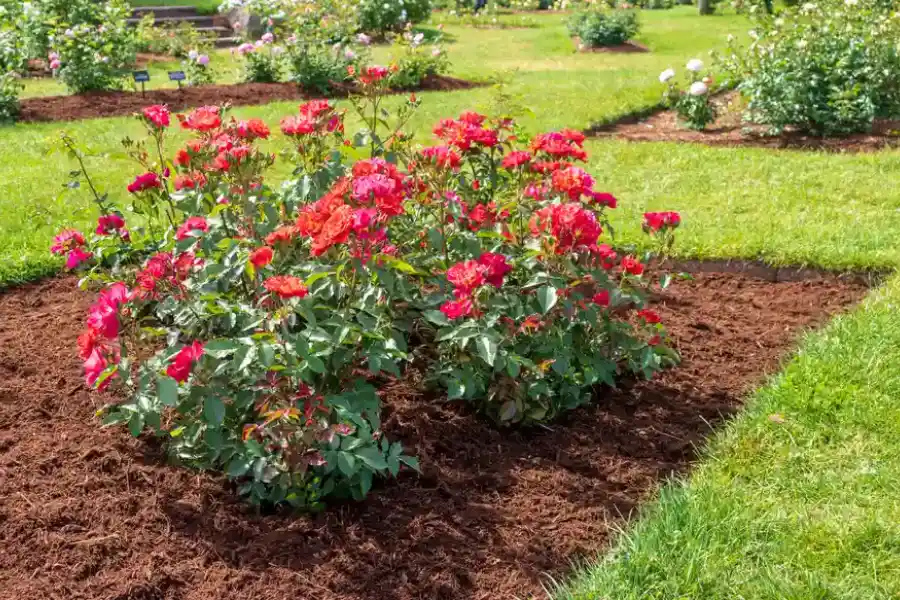
Beyond functionality, mulch offers aesthetic benefits too. A well-mulched garden looks tidy and well-maintained. You can choose colors and textures that complement your landscape design, enhancing curb appeal without much effort.
Tips for Effective Use
Mulching effectively requires some knowledge and planning:
- Aim for a 2-3 inch layer for optimal results.
- Avoid piling mulch against tree trunks to prevent rot.
- Select mulch based on your specific plant needs.
Cost Considerations of Mulch
The cost of mulching varies depending on the type and quantity needed. Organic mulches are often less expensive upfront but require regular replenishing as they break down over time. Synthetic options might last longer but come at a higher initial cost. Assessing your budget and long-term maintenance commitment will guide your decision-making process.
Your Gardening Success Starts Here!
Gardening success begins with understanding the importance of mulch for soil retention. Located in Hazel Green, AL, we offer expert advice tailored to your local conditions. Contact us today at (256) 712-7447 to learn how K & M Lawncare LLC can assist you with all your gardening needs.